The Beginners Guide To Building A Healthy Gut (DO THIS)
Jul 14, 2026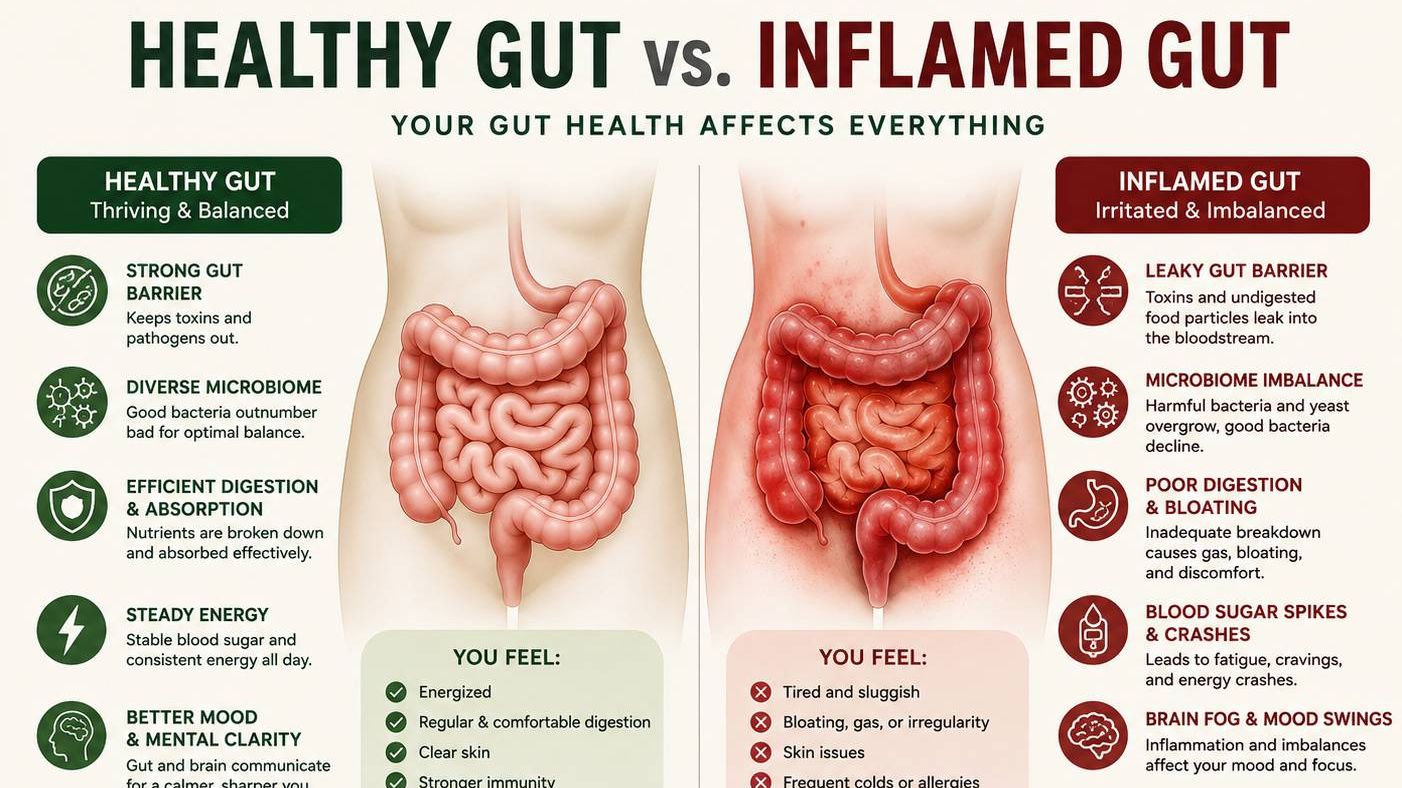
The High Performance Journal Written By Dan Go - July 14th, 2026
Confession: For most of my adult life, I had terrible gas.
And I don't mean the occasional post-Taco Bell type of flatulence. I mean foul, room-clearing, marriage-testing, human carpet bomb type of gas.
My wife, God bless her, just accepted it as part of who I was, and honestly, I did too. I figured some people just had bad gas, and I just drew the short end of the straw.
A while back, I ran a 30-day experiment. I started taking 2 tbsp. of psyllium husk 3 times a day to see what it would do to my body. I wrote about the full results here, but the part that surprised me most:
I stopped farting.
And when I did, it smelled way less foul, even after steaks.
What was actually happening was the fiber was feeding the bacteria in my gut, improving how my digestive system processed food and reducing the fermentation that creates that sulfuric smell.
That experiment got me curious, and since then I've learned the gut is your control center for way more than digestion. Most people have no idea how much better they could feel if they just gave it the right inputs.
In today's newsletter, I want to give you the beginner's guide to building a healthy gut. It's the same framework we use with coaching clients, broken down into four tiers so you can start wherever you are.
What Is Your Gut And Why Is It So Damn Important?
Your gut is more than a food processor. It's a 30-foot system that runs from your mouth to the end of your digestive tract, and it houses trillions of bacteria, fungi, and viruses collectively called your microbiome.
That microbiome behaves like its own organ. It produces signaling molecules that talk to your immune system, your brain, your metabolism, and even your visceral fat.
About 70% of your immune system lives in and around your gut. Your gut bacteria produce neurotransmitters like serotonin that affect your mood, focus, and response to stress.
The composition of your microbiome directly influences insulin sensitivity, weight regulation, and how efficiently you extract energy from food.
That afternoon brain fog you've accepted as normal, that stubborn weight around your midsection, and that low-grade fatigue you push through in the afternoon with caffeine: your gut may be the upstream cause.
For anyone focused on longevity, body composition, energy, or even performance, the gut is one of the highest-leverage systems you can improve.
Common Symptoms Of An Unhealthy Gut
- Frequent bloating
- Abdominal discomfort after meals
- Chronic heartburn or reflux
- Irregular bowel movements (ie., constipation, loose stool, etc.)
Hidden Symptoms Of An Unhealthy Gut
- Brain fog
- Low mood
- Increased anxiety
- Persistent fatigue
- Skin problems (acne, eczema, rosacea, etc.)
- Food intolerances that get worse over time
- Unexplained weight changes
When your gut barrier breaks down, it allows inflammatory compounds into your bloodstream, and that inflammation can show up almost anywhere in your body.
If you're dealing with blood in your stool, unexplained weight loss, fever, or chronic diarrhea lasting more than four weeks, go see a doctor.
That's beyond things you can fix with lifestyle.
The Protocol: Four Levels To A Healthier Gut
Think of this as building a house. You lay the foundation first, then add structure, then you renovate.
Level 1: Remove The Biggest Disruptors (Weeks 1-2)
Before you add anything, stop doing the things that are making it worse.
Reduce ultra-processed foods and added sugars. These are consistently linked to less microbial diversity and more inflammatory gut profiles. You don't need to be perfect. Aim for 80-90% of your intake coming from minimally processed whole foods.
Cut back on common gut irritants. Excess alcohol, frequent NSAID use (like ibuprofen, if medically safe to reduce), and the artificial sweeteners and emulsifiers found in ultra-processed foods can all impair your gut barrier or alter your microbiota. Cap alcohol at 0-3 drinks per week during this phase, or eliminate it entirely.
Normalize your meal rhythm. Constant grazing disrupts your migrating motor complex, which is the cleaning wave that sweeps through your gut between meals. Eat at consistent times, give your system a break between meals, and stop eating at least 4 hours before bed.
And if you've recently finished a course of antibiotics, know that they can wipe out beneficial gut bacteria along with the bad. That's not a reason to avoid them when you need them, but it is a reason to be intentional about rebuilding your gut afterward.
I've seen this tier alone make a noticeable difference for clients within two weeks. Sometimes faster.
Level 2: Feed The Microbiome (Weeks 1-4 And Ongoing)
Now you start giving your gut bacteria what they need to thrive.
Prioritize fiber and plant diversity. People who eat 30 or more different plant foods per week tend to have significantly more diverse microbiomes than those eating fewer than 10, even when total plant volume is similar. Diversity of species matters more than sheer quantity.
Aim across what researchers call the Super Six: vegetables, fruits, whole grains, legumes, nuts and seeds, and herbs and spices. Mixed veggie bags, bean medleys, and spice blends make this easier than it sounds.
Add prebiotic fibers. These are the specific fibers that feed your beneficial bacteria. Think onions, garlic, leeks, asparagus, slightly green bananas, oats, beans, lentils, and Jerusalem artichokes. If you need supplementation, use psyllium husk or chia seeds. Fiber boosts short-chain fatty acid production, which supports your colon cells and improves barrier function.
Target 25-35 grams of fiber per day, but build up slowly week over week. Going from 10 grams to 35 overnight will create more gas, not less. (I learned that the hard way.)
Include fermented foods. Daily servings of live-culture yogurt, kefir, kimchi, sauerkraut, miso, or tempeh are associated with improved microbiome diversity and lower inflammatory markers. A simple starting point: one cup of kefir plus a few tablespoons of sauerkraut each day.
A broad-spectrum probiotic supplement can be reasonable for 8-12 weeks if you're symptomatic, but the research is strain-specific. It's not a substitute for the food-first approach.
Level 3: Lifestyle Levers (Ongoing)
Your gut doesn't exist in isolation. These habits shape your microbiome as much as food does.
Sleep. Short sleep and circadian disruption alter gut bacteria composition and increase inflammatory markers. Aim for 7-9 hours on a consistent schedule. Morning light exposure and limiting late-night eating both support your circadian rhythm, which directly affects gut function.
Exercise. Regular moderate exercise is correlated with greater microbiome diversity and improved gut motility. The sweet spot: 150-300 minutes per week of low-to-moderate cardio, plus strength training 2-3 times per week.
Stress management. Chronic stress changes gut motility, increases permeability, and alters your microbiota through the gut-brain axis. This is one of the most underrated gut health interventions. Five to ten minutes daily of breathwork, meditation, or a low-intensity walk can shift the balance.
Meal hygiene. Chew your food thoroughly. Sit down. Take a breath before eating. This sounds trivial, but your nervous system needs to be in a relaxed state to digest properly. Wolfing down lunch at your desk while answering Slack messages is one of the most common and most fixable gut disruptors I see with clients.
Tier 4: Targeted Support (When Needed)
Some people need more than lifestyle changes.
If you've been consistent with Levels 1-3 for four or more weeks and still have significant symptoms, it's worth working with a clinician who can run targeted tests:
- Fecal calprotectin to measure intestinal inflammation
- Breath tests for bacterial overgrowth
- Celiac screening if indicated
Short-term protocols like a low-FODMAP elimination diet can help identify specific triggers, but they should be guided and temporary.
Long-term restriction without guidance often creates more problems than it solves.
The Bigger Picture
Your gut health isn't a separate project from everything you've worked on. It's connected to your energy, your mental clarity, your immune system, body composition, and how you feel when you wake up in the morning.
The protocol isn't complicated:
- Remove what's damaging it.
- Feed it what it needs.
- Support it with sleek movement and stress management.
- Get help if the basics aren't enough.
I spent years thinking bad gas was just who I was. Turns out my body had been sending me a signal the whole time, and I wasn't listening. Most of us have signals like that.
Once you start listening to your body, you can start taking steps to give it what it needs.
Onward and upward. 🚀
- Dan
When you're ready, here are 2 ways I can help:
1. The Lean Body 90 System: When you’re ready to get in great shape, Lean Body 90 is the obvious choice. You can get in great shape and reach your fitness goals in just 90 minutes a week. Lose weight and build muscle even without hours in the gym or highly restrictive diets. Join 1000+ students here.
2. Are you an entrepreneur who wants to get lean, boost energy, and get in your best shape? Apply for private one-on-one coaching here.
Disclaimer: This email is provided for educational and informational purposes only and does not constitute providing medical advice or professional services. The information provided should not be used for diagnosing or treating a health problem or disease, and those seeking personal medical advice should consult with a licensed physician.