Dan Go: How I Got My Abs Back (While Eating Pizza And Drinking Alcohol)
Feb 03, 2026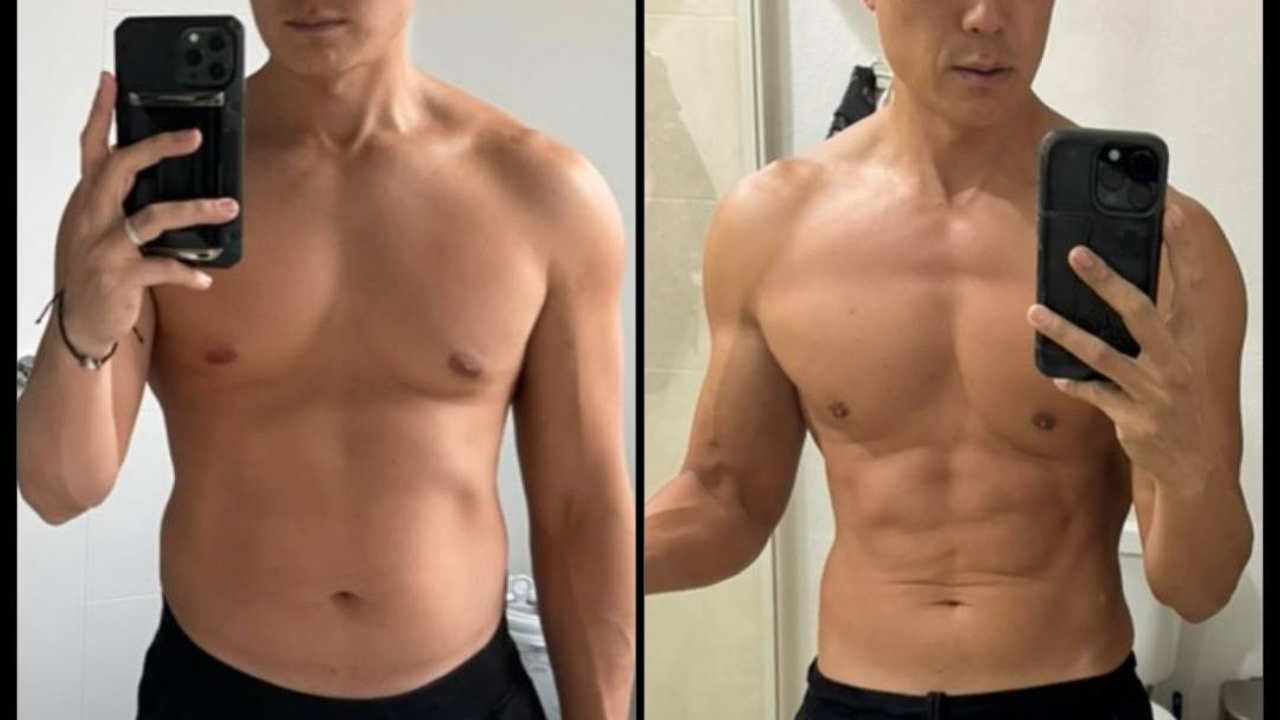
The High Performance Journal Written By Dan Go - February 3, 2026
I just got my abs back at 46 years old. And no exaggeration, this was the easiest time I've ever had getting lean.
I went from 190+ to 167 pounds, from a 36-inch waist to 29 inches. And I've got clearly visible abs for the first time in years.
And I did it while eating pizza. Drinking alcohol. Having ice cream. Enjoying my favorite foods whenever I wanted.
If you're wondering how I got here: After my 2nd daughter, the weight piled on, and old habits I thought I'd crushed came back. Stress from running multiple businesses, growing social media, being a present father and husband... it all added up. Yes, even fitness guys are human. After wallowing in self-pity and shame, I said enough is enough. I used the same system we use with our clients. Made it fun. Made it stick. Now... here we are.
The best part? I didn't have to suffer, white-knuckle through cravings, or dread every meal. I just had to be patient and trust the process.
How? I'll walk you through the entire system.
But first, a warning: there's one reason 90% of people fail at this. It's not what you think. And it's not willpower. I'll explain at the end.
The Nutrition Blueprint
Pineapple on pizza is not a crime. This is the hill I will die on.
First, I put a structure in place. I tracked my foods, hired one of our coaches for accountability, and ate on a schedule:
- Breakfast within two hours of waking
- A mid-meal around noon
- Last meal at least three hours before bed
Your body works on routine. Set up the right meal schedule, and you control hunger and appetite.
After 6pm, I start my fast. Eating close to bed is a net negative for digestion and sleep.
The framing matters. Tell your brain, "don't eat at night," and all it hears is "eat at night." But tell yourself, "I'm someone who fasts after 6pm" and it becomes identity. You're not resisting. You're just being you.
This is one of the first things I work on with my clients. Not the meal plan. The mental framing.
I followed the 90/10 rule: 90% whole, nutrient-dense foods. 10% whatever I wanted. This is how pizza fits. This is how the occasional drink fits. This is how the diet stayed sustainable all the way down to visible abs.
The 2 non-negotiables: protein and fiber at every meal. At least 25-35 grams of fiber per day and 0.7 to 1 gram of protein per pound of bodyweight. These keep you full and preserve muscle while you're losing fat.
I had a go-to breakfast that I ate almost every day. Greek yogurt, frozen blueberries, psyllium husk, and whey protein. Looks like slop. Tastes delicious. Packed with protein and fiber. One less decision to make.
Looks horrible but tastes delicious!
One of the keys to sustainable dieting is having 3-5 meals you can just rely on. You don't have to think. You just eat.
Finally, having a coach in my corner made all the difference. Our team eats these problems for breakfast every day. (Pun intended.)
The Training & Movement Blueprint
When I had a gym, I used weights and machines. No gym? No problem. I modified my workouts and made do with what I had.
After 40, I've found that less volume and higher intensity work way better, especially when losing weight.
High-volume programs tanked my recovery. I'd feel beat up and dread the gym. When I dropped the volume and made every set count, everything changed.
I used the 2S Method. Two working sets per exercise, both taken close to failure. That's where the growth happens. In a calorie deficit, you don't have recovery capacity for tons of volume, and because you have only 2 sets, you can go harder on the weights.
Every session, I added more weight or reps. Same movements, consistent effort, relentless consistency.
Outside the gym, 8,000 to 10,000 steps a day. Walking after meals. Walking meetings. I made walking a default for every bit of dead time I had.
The best part about walking is that it doesn't spike your appetite like intense cardio. It doesn't trash your recovery. It just quietly burns calories while you live your life. As a bonus, you get more energy by moving your body.
I did this while traveling internationally with my family. Bangkok, Vietnam, Hong Kong, Mexico. Different gyms, different food options. I adapted and worked with what I had.
The Bedtime Blueprint
This one's underrated for fat loss.
I made sure I was getting eight hours with consistent sleep and wake times. Same time to bed, same time up, same routine.
Your body likes repetition. Mess with it and your hunger hormones get thrown off. You'll be fighting cravings that have nothing to do with actual hunger.
I also brought 2 sleep cheat codes with me: A sleep mask and mouth tape. Sleep mask improves the quality of sleep, and the mouth tape forces me to breathe through my nose.
Last, I prioritized sun exposure during the day. There's research showing adequate sunlight helps improve sleep, regulate appetite, improves how your body uses calories. When I couldn't get enough sun, I supplemented with Vitamin D.
The Body Dashboard
Me and my travel scale. If you're not tracking, it's not a priority.
Because I was traveling, I only tracked a few things:
- Daily weight (7-day average to smooth out fluctuations)
- Waistline (weekly)
- Gym performance (volume and strength)
- Nutrition (calories, macros, micros, fiber, protein)
I was so committed to weighing myself daily that I brought a travel scale to Asia.
I relied on the 7-day average and understood that fluctuations are a part of the game. Once you've seen that cycle enough times, it stops phasing you. It's like exposure therapy for the scale.
This is one of our clients, Mike. Those peaks you see are weight increases. Getting lean is not a straight path down. Deal with it!
Now, as you're getting lean, you DO NOT want to lose muscle. You gotta fight like heck to keep it or you're setting yourself back further than you think.
I knew if I was hitting my protein intake and strength + volume was going up while the scale was going down, I knew I had a good chance of keeping it.
That said, you're not going to be perfect. Your diet won't be perfect. Your workouts won't always go as planned. That's fine. As long as you're trending in the right direction, that's all that matters.
What Actually Made It Easy
Here's what nobody tells you:
It takes about 6 months to reach your goal. And another 6 to 12 months to keep it. That second phase is where 90% fail.
6-week challenges don't work long term. 90 days start the process. But over a year? You give your hormones time to adjust. Your identity evolves. The new weight becomes your new normal.
If you're someone who's already successful in other areas of life but can't seem to make this stick, it's probably not a knowledge problem. It's an identity, systems, and accountability problem.
I kept asking myself one question throughout:
What would the leanest, healthiest version of me do right now?
Then I went and created systems around that version, got accountable, and executed.
Most programs hand you a meal plan and a workout split and hope for the best. That's why most programs fail.
With my clients, we start with identity, not food. We build the new version of you first. Then we add the systems and accountability that make it permanent.
That's why this was the easiest time I've ever had getting lean. More importantly, I now have a system that keeps me here for life.
Onward and upward. 🚀
- Dan
When you're ready, here are 2 ways I can help:
1. The Lean Body 90 System: When you’re ready to get in great shape, Lean Body 90 is the obvious choice. You can get in great shape and reach your fitness goals in just 90 minutes a week. Lose weight and build muscle even without hours in the gym or highly restrictive diets. Join 1000+ students here.
2. Are you an entrepreneur who wants to get lean, boost energy, and get in your best shape? Apply for private one-on-one coaching here.
Disclaimer: This email is provided for educational and informational purposes only and does not constitute providing medical advice or professional services. The information provided should not be used for diagnosing or treating a health problem or disease, and those seeking personal medical advice should consult with a licensed physician.